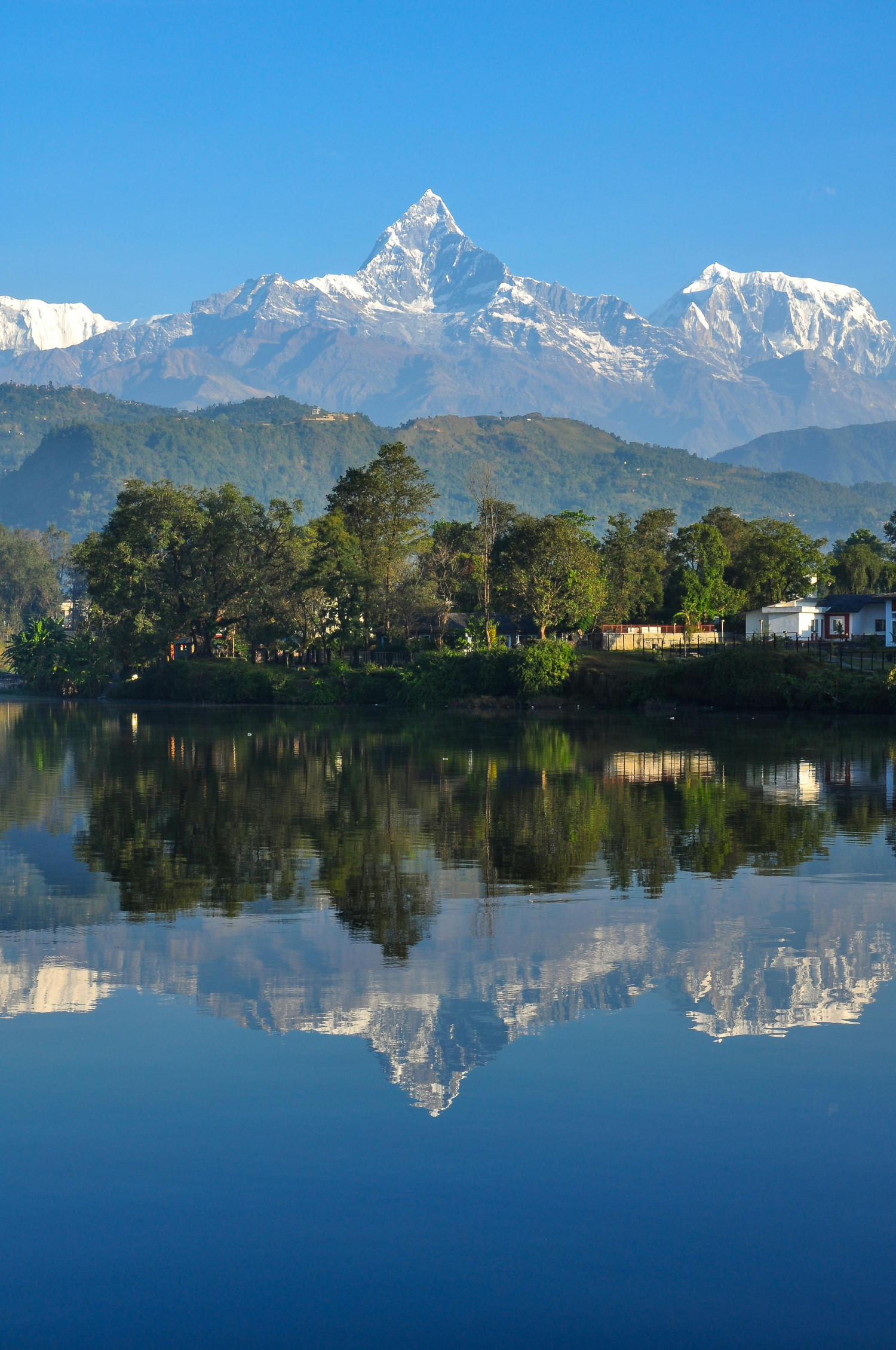
Nepal is widely known for its majestic mountains, ancient temples, and world-famous trekking routes. Yet beyond the towering peaks of the Himalayas lies another treasure that captivates visitors from around the world: its vibrant festivals. Often referred to as the "Land of Festivals," Nepal celebrates hundreds of cultural, religious, and seasonal events throughout the year.
The country's rich cultural diversity is reflected in its festivals. More than 125 ethnic groups and numerous religious communities coexist in Nepal, each preserving unique traditions, rituals, and celebrations. Whether you visit bustling Kathmandu, the medieval towns of the Kathmandu Valley, the remote Himalayan villages, or the fertile plains of the Terai, there is almost always a festival taking place.
For travelers, participating in a Nepali festival offers a deeper understanding of local life. Festivals bring families together, fill streets with music and color, and create unforgettable cultural experiences. From the grand celebrations of Dashain and Tihar to the spiritual observances of Buddha Jayanti and Janai Purnima, Nepal's festivals showcase the country's remarkable heritage.
Here are the top 10 most popular festivals in Nepal that every visitor should know about.
1. Dashain Festival
The Biggest Festival in Nepal
Dashain is the most important and widely celebrated festival in Nepal. It usually falls between September and October and lasts for fifteen days.
The festival commemorates the victory of Goddess Durga over the demon Mahishasura, symbolizing the triumph of good over evil. It is celebrated by Hindus throughout Nepal and among Nepali communities worldwide.
Major Traditions
Family reunions across the country
Worship of Goddess Durga
Animal sacrifices in some regions
Receiving Tika and Jamara from elders
Flying kites and playing traditional swings (Ping)
During Dashain, thousands of people travel from cities back to their ancestral homes. Families gather to receive blessings from elders, making it a deeply emotional and meaningful celebration.
Best Places to Experience Dashain
Kathmandu Valley
Bhaktapur
Pokhara
Rural villages throughout Nepal
2. Tihar Festival
The Festival of Lights
Tihar, often compared to India's Diwali, is Nepal's second-largest festival. Celebrated shortly after Dashain, Tihar honors not only gods and goddesses but also animals that hold special significance in Nepali culture.
The festival lasts five days and illuminates homes, temples, and streets with oil lamps and colorful decorations.
Five Days of Celebration
Day 1: Kaag Tihar
Worship of crows, believed to be messengers.
Day 2: Kukur Tihar
Celebration of dogs with flower garlands and special treats.
Day 3: Gai Tihar and Laxmi Puja
Worship of cows and Goddess Laxmi, the goddess of wealth.
Day 4: Govardhan Puja and Mha Puja
Different communities celebrate unique traditions.
Day 5: Bhai Tika
Celebration of the bond between brothers and sisters.
Cultural Highlights
Beautiful rangoli designs
Singing groups known as Deusi and Bhailo
Thousands of lights decorating homes
Traditional feasts and family gatherings
3. Holi Festival
The Festival of Colors
Holi is one of Nepal's most joyful and energetic festivals. Celebrated in March, Holi marks the arrival of spring and the victory of good over evil.
People throw colored powders and water at one another while dancing, singing, and celebrating in the streets.
Why Travelers Love Holi
Holi offers visitors a chance to interact freely with locals in a festive atmosphere. The celebration breaks social barriers and creates a sense of unity among participants.
Best Places to Celebrate Holi
Kathmandu Durbar Square
Thamel
Pokhara Lakeside
Bhaktapur
The streets become vibrant canvases filled with color, laughter, and music.
4. Buddha Jayanti
Celebrating the Birth of Lord Buddha
Nepal is the birthplace of Lord Buddha, who was born in Lumbini around the 6th century BCE. Buddha Jayanti celebrates his birth, enlightenment, and death.
The festival usually falls in April or May during the full moon.
Significance
Buddha Jayanti is one of the most important festivals for Buddhists worldwide. Pilgrims visit monasteries, stupas, and temples to offer prayers and participate in religious ceremonies.
Key Locations
Lumbini
Boudhanath Stupa
Swayambhunath Stupa
Namo Buddha
Monasteries are decorated with prayer flags and butter lamps, creating a peaceful and spiritual atmosphere.
5. Indra Jatra
Kathmandu's Most Spectacular Street Festival
Indra Jatra is among the most famous cultural festivals in the Kathmandu Valley. Celebrated in honor of Lord Indra, the god of rain and heaven, the festival features traditional dances, chariot processions, and masked performances.
Major Attractions
Kumari Jatra procession
Traditional Newari dances
Lakhey dance performances
Sacred rituals in Kathmandu Durbar Square
The Living Goddess Kumari is carried through the streets in an ornate chariot, attracting thousands of spectators.
Best Place to Experience
Kathmandu Durbar Square becomes the center of celebration during this vibrant festival.
6. Teej Festival
Celebration of Women and Devotion
Teej is one of Nepal's most significant festivals for women. Dedicated to Lord Shiva and Goddess Parvati, the festival is celebrated mainly by Hindu women.
Women fast, pray, dance, and gather with friends and family.
Festival Highlights
Red traditional clothing
Group singing and dancing
Temple visits
Religious fasting
The festival symbolizes marital happiness, family well-being, and women's spiritual devotion.
Best Places to Witness Teej
Pashupatinath Temple
Kathmandu Valley
Pokhara
Janakpur
The sight of thousands of women dressed in red creates a memorable cultural experience.
7. Janai Purnima
Sacred Thread Festival
Janai Purnima is celebrated during the full moon of August. It holds religious significance for both Hindus and Buddhists.
Hindu men renew their sacred thread, known as Janai, while many people tie protective threads around their wrists.
Popular Traditions
Pilgrimage to Gosainkunda Lake
Temple visits
Family gatherings
Consumption of traditional Kwati soup
Trekking Connection
Many trekkers combine the Langtang and Gosainkunda Trek with Janai Purnima celebrations, creating a unique cultural and adventure experience.
8. Maghe Sankranti
Festival of New Beginnings
Maghe Sankranti marks the transition of the sun into the zodiac sign Capricorn. It is considered an auspicious day that signals the end of winter and the beginning of longer days.
Traditional Foods
Sesame sweets
Chaku
Sweet potatoes
Yam
Ghee
Families gather to enjoy traditional foods believed to provide warmth and good health during winter.
Cultural Importance
The festival is particularly important among various communities in Nepal and is celebrated differently across regions.
9. Losar Festival
Tibetan New Year Celebration
Losar is the New Year festival celebrated by Tibetan Buddhist communities, including Sherpa, Tamang, and Gurung groups.
Different communities observe Losar at different times of the year.
Festival Activities
Monastery ceremonies
Traditional dances
Family feasts
Prayer offerings
Best Places to Experience Losar
Boudhanath
Swayambhunath
Namche Bazaar
Helambu
Mustang
The festival offers insight into the rich traditions of Nepal's Himalayan communities.
10. Mani Rimdu Festival
Himalayan Buddhist Celebration
Mani Rimdu is one of the most famous festivals in the Everest region. Celebrated by the Sherpa community, it combines sacred rituals, masked dances, and Buddhist teachings.
The festival usually takes place in autumn.
Key Locations
Tengboche Monastery
Chiwong Monastery
Thame Monastery
Festival Highlights
Masked Cham dances
Monastic ceremonies
Blessing rituals
Community celebrations
Many trekkers visiting Everest Base Camp specifically plan their journeys around Mani Rimdu to experience this extraordinary cultural event.
Why Festivals Make Nepal Unique
Nepal's festivals are not simply public holidays. They are living expressions of culture, spirituality, family values, and community identity.
What makes Nepali festivals unique is the harmonious coexistence of multiple religions and ethnic traditions. Hindu and Buddhist customs often blend naturally, creating celebrations that reflect centuries of shared heritage.
Visitors frequently discover that festivals become the most memorable part of their journey. Whether witnessing ancient rituals in Kathmandu, joining a local family for Tihar, or attending Mani Rimdu in the Everest region, these experiences provide meaningful connections with Nepal's people and traditions.
Planning Your Festival Journey with Himalaya Heart Treks
At Himalaya Heart Treks, we believe that travel should go beyond mountains and landscapes. Nepal's cultural heritage is equally inspiring, and many of our trekking and tour itineraries can be customized to coincide with major festivals.
Whether you want to experience Dashain in a traditional village, witness Indra Jatra in Kathmandu, celebrate Holi in Pokhara, or attend Mani Rimdu in the Everest region, our expert team can help design a journey that combines adventure with authentic cultural experiences.
Final Thoughts
Nepal's festivals reveal the true soul of the country. They bring together spirituality, family, music, dance, food, and centuries-old traditions in ways that few destinations can match.
From the grandeur of Dashain and Tihar to the colorful celebration of Holi and the sacred rituals of Mani Rimdu, every festival offers a unique glimpse into Nepal's rich cultural heritage.
For travelers seeking more than mountain views, timing your visit around one of Nepal's famous festivals will transform your journey into an unforgettable cultural adventure. With Himalaya Heart Treks, you can experience not only the breathtaking Himalayas but also the vibrant traditions that make Nepal one of the most culturally fascinating destinations in the world.